Linh Pham
Photographer | info@linh-pham.com
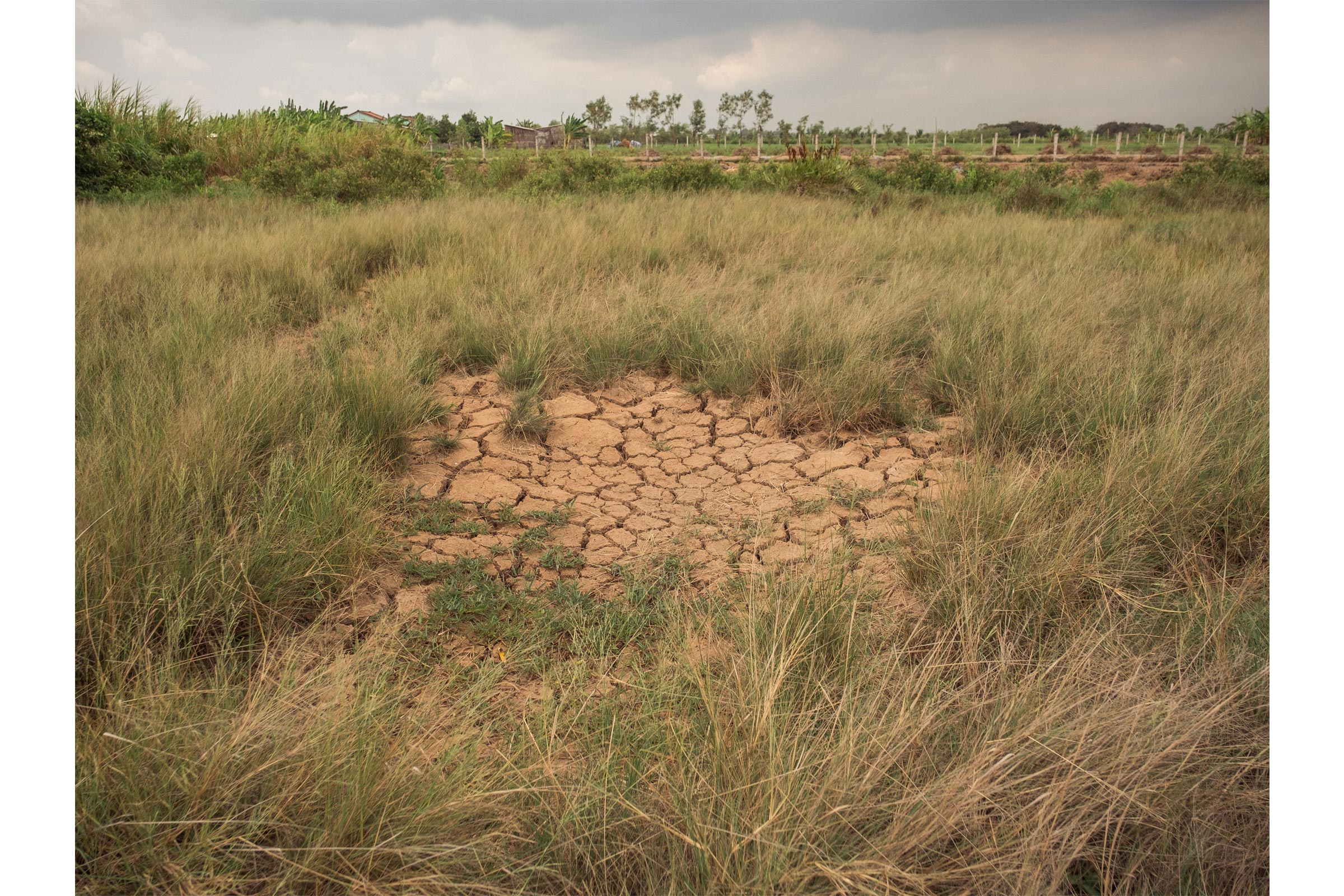
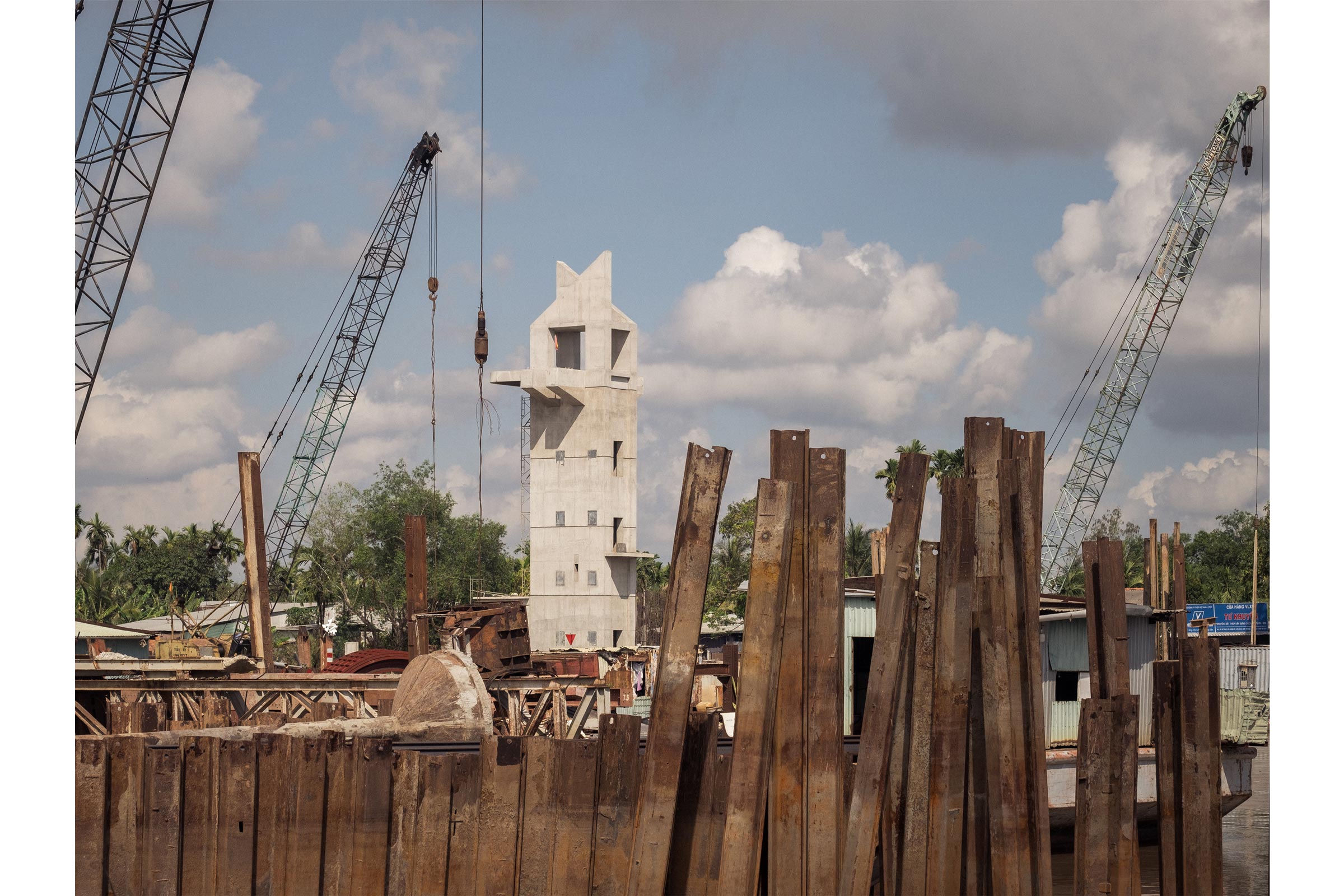
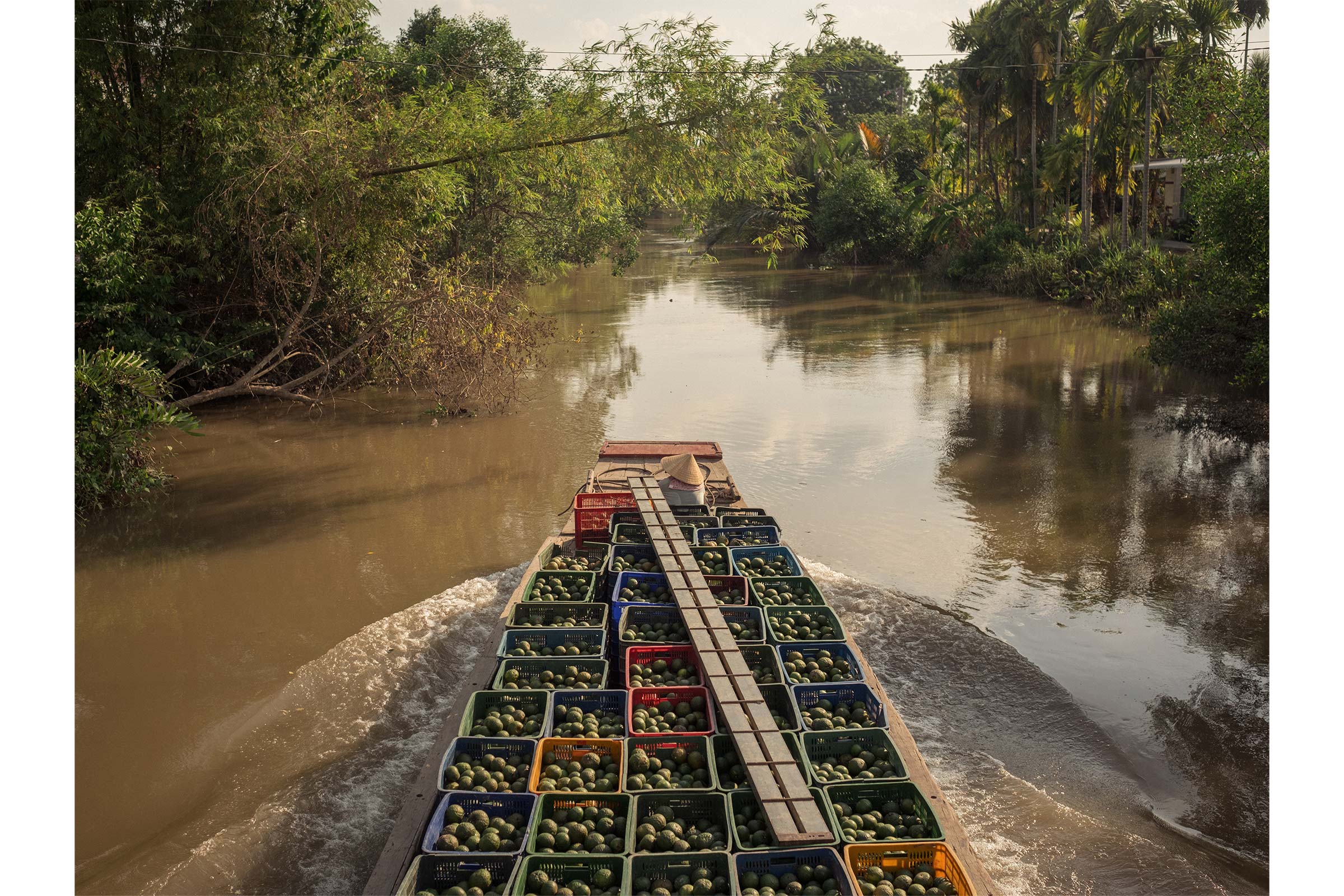
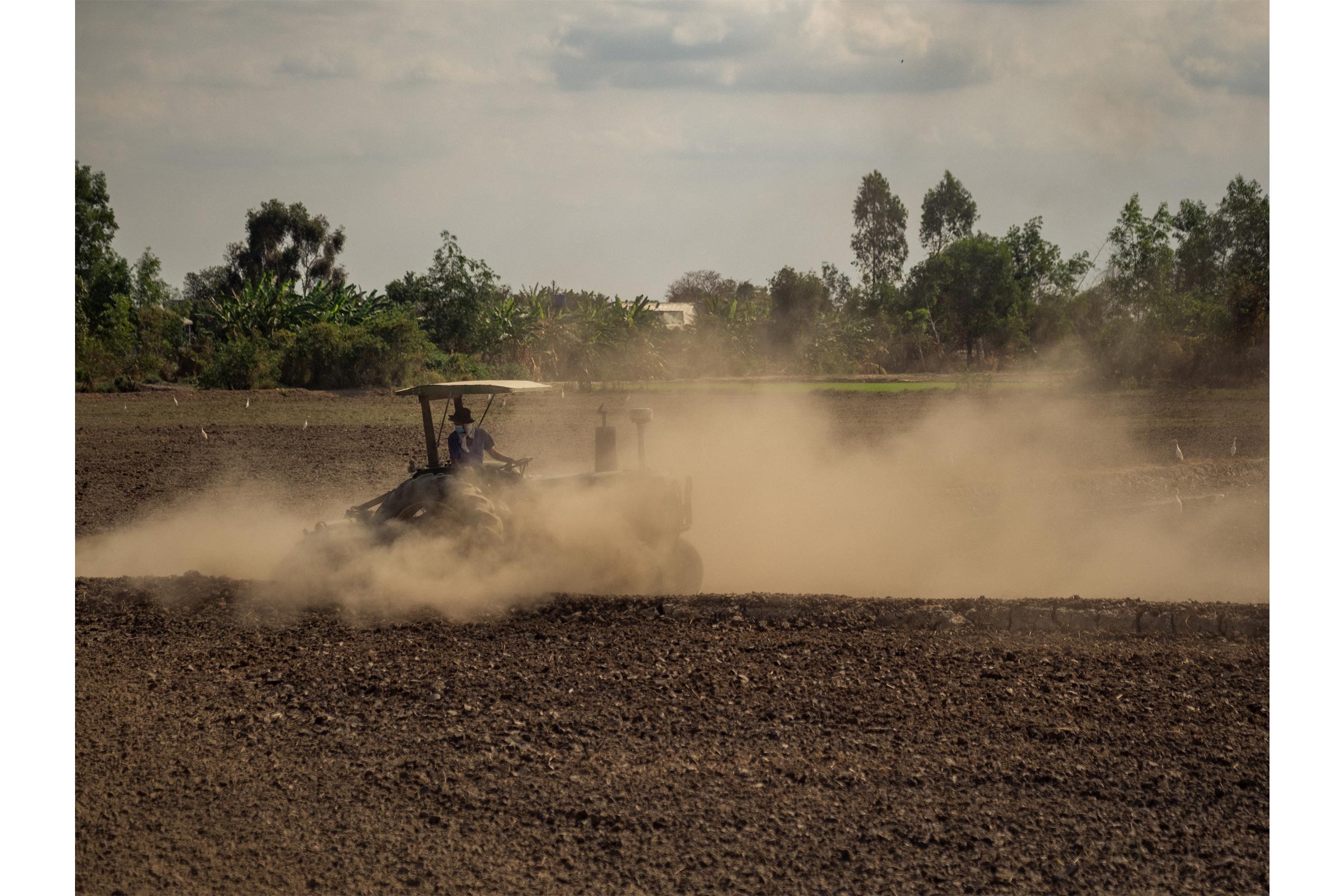
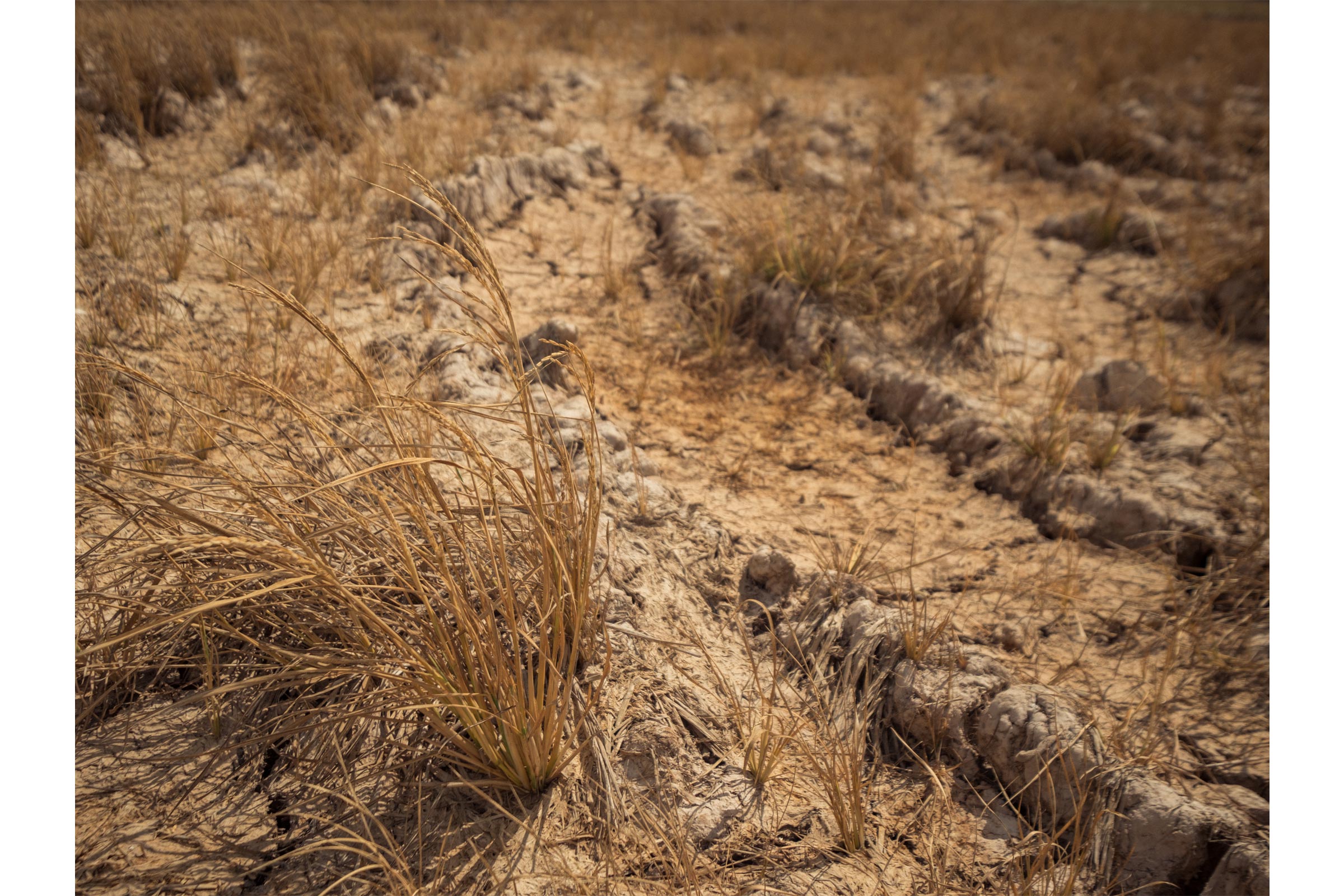
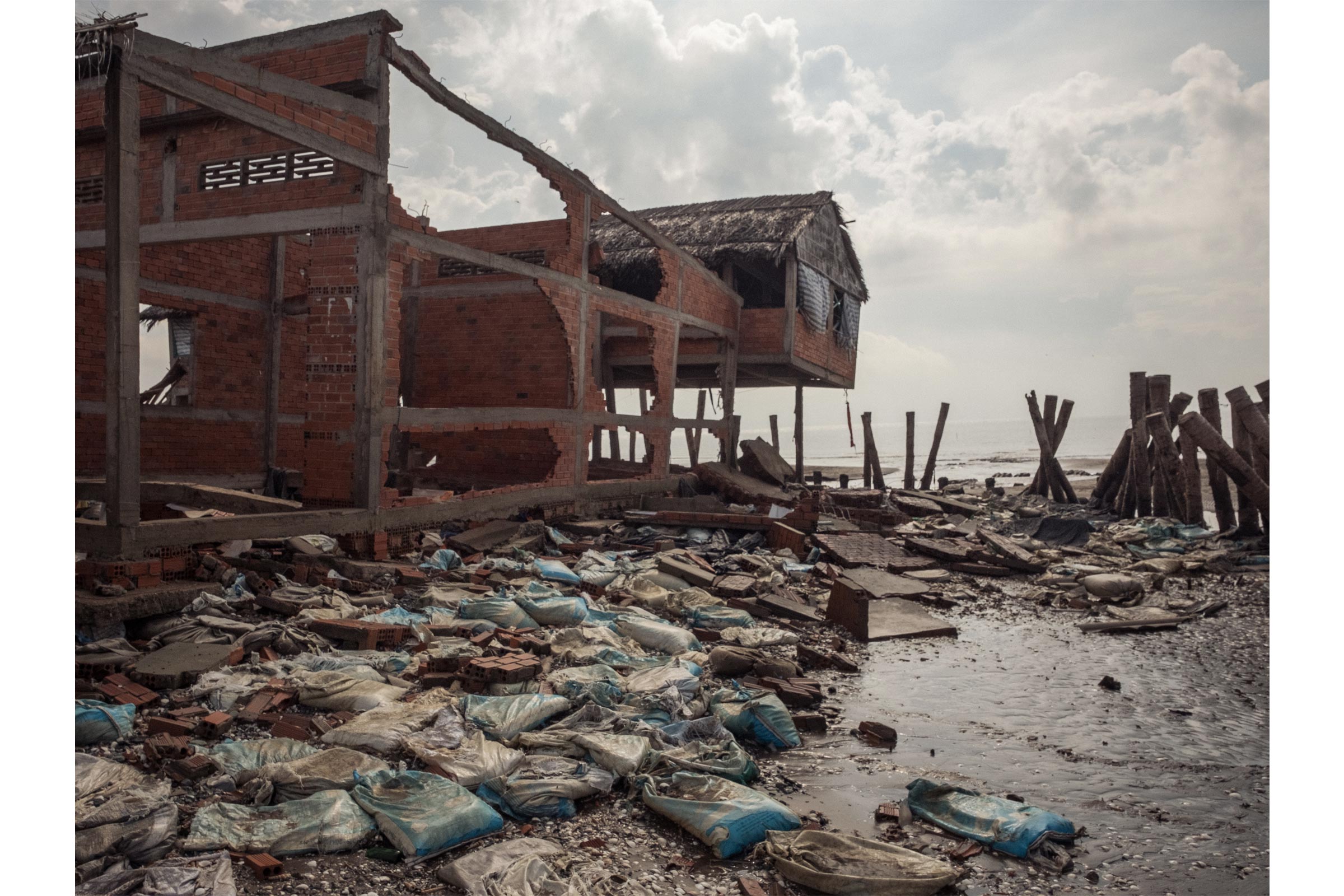
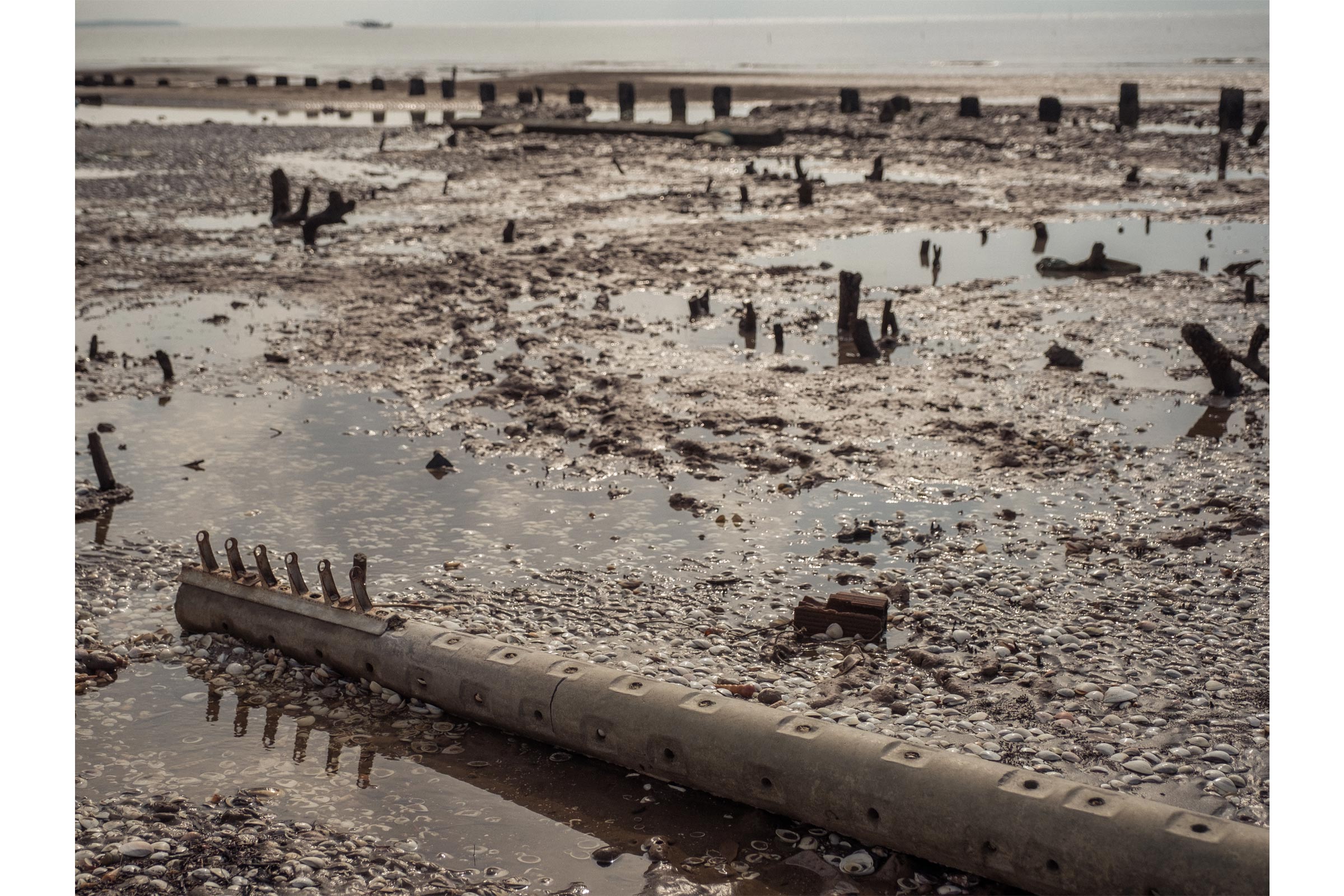
The Mekong River Delta is one of Viet Nam’s most important agricultural regions, home to roughly 18 million people and central to the country’s rice production. In recent years, the Delta has faced increasingly severe saltwater intrusion, especially during the dry season, affecting not only rice fields and fruit orchards, but also household water, fishing, aquaculture, and everyday life.
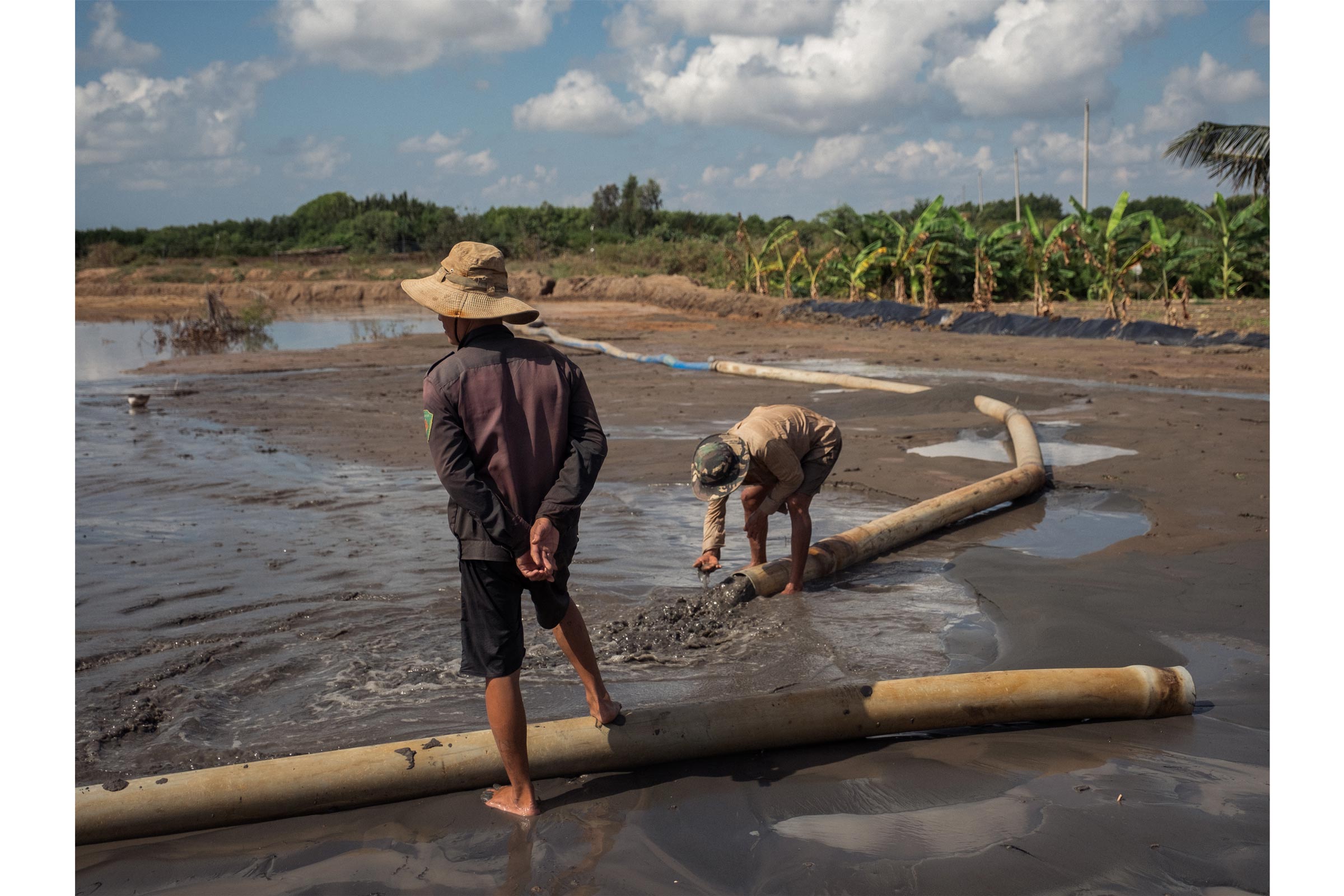
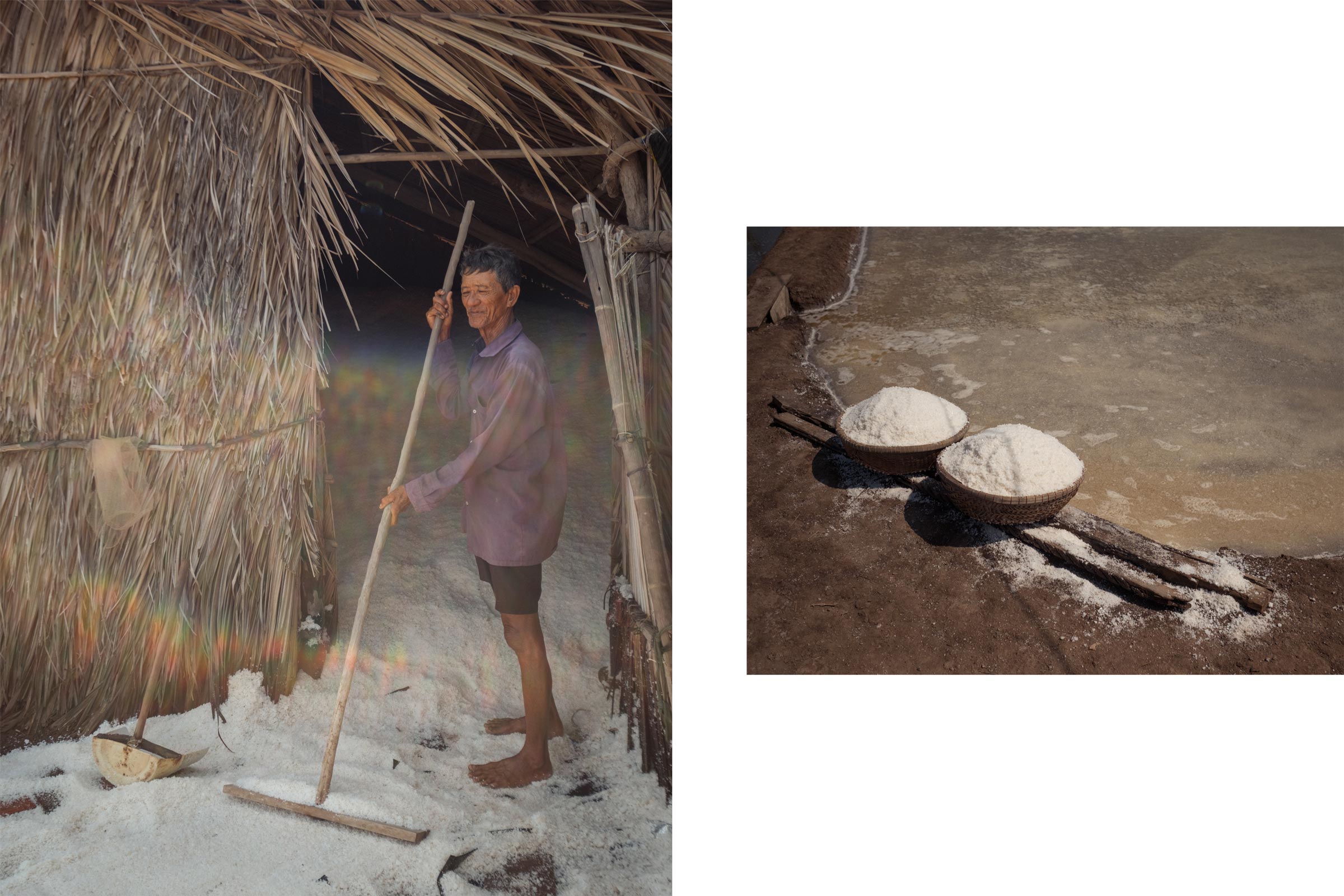
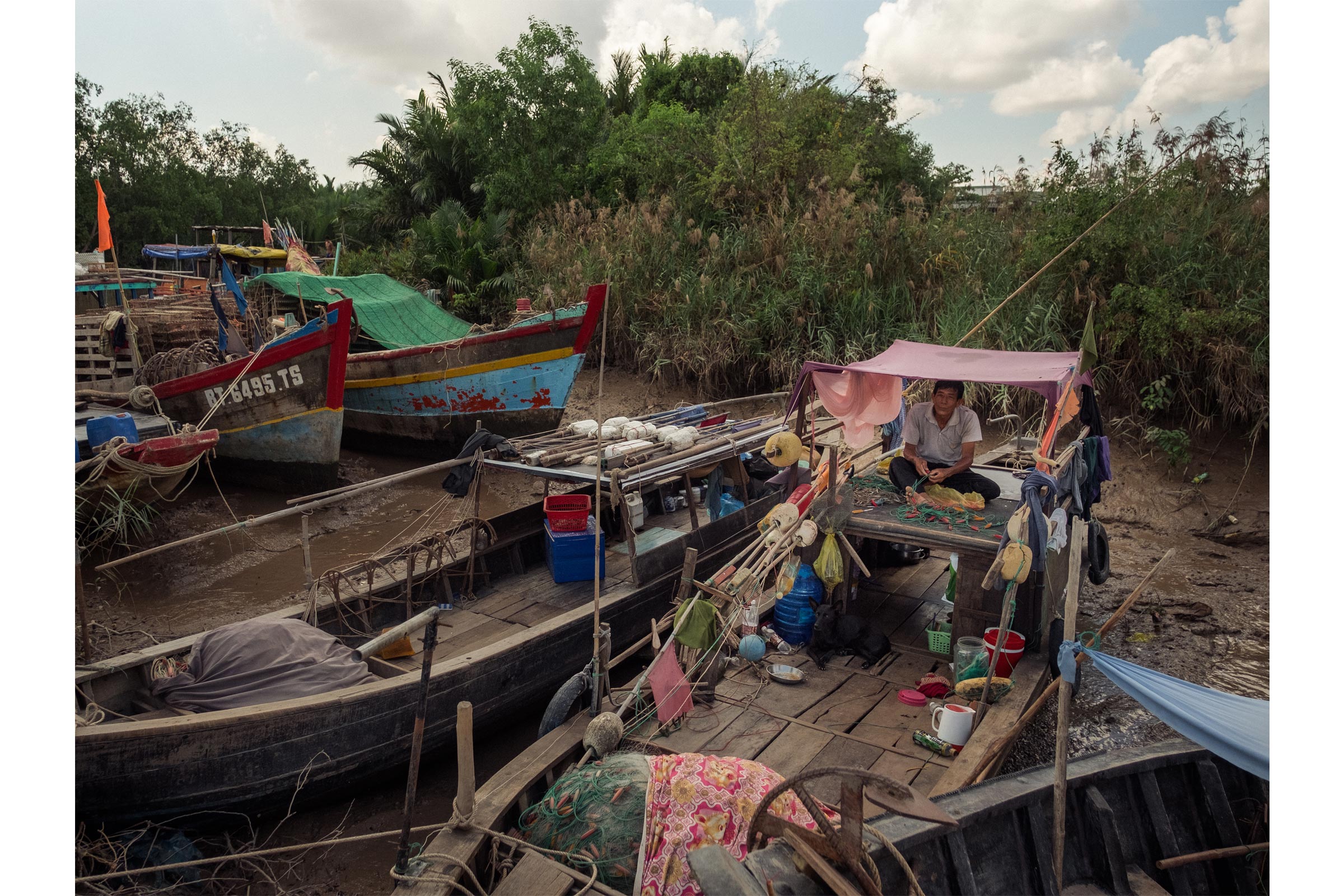
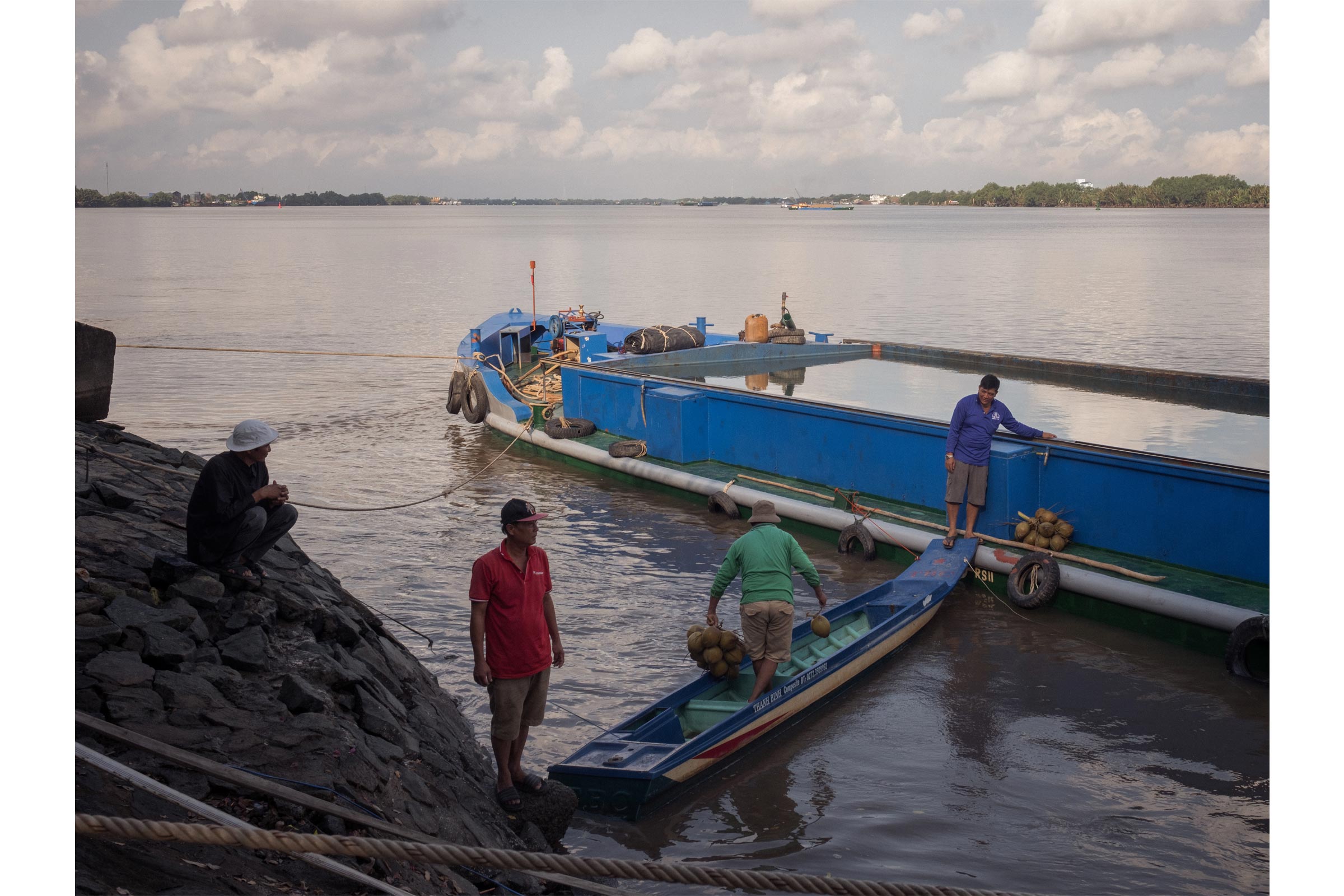
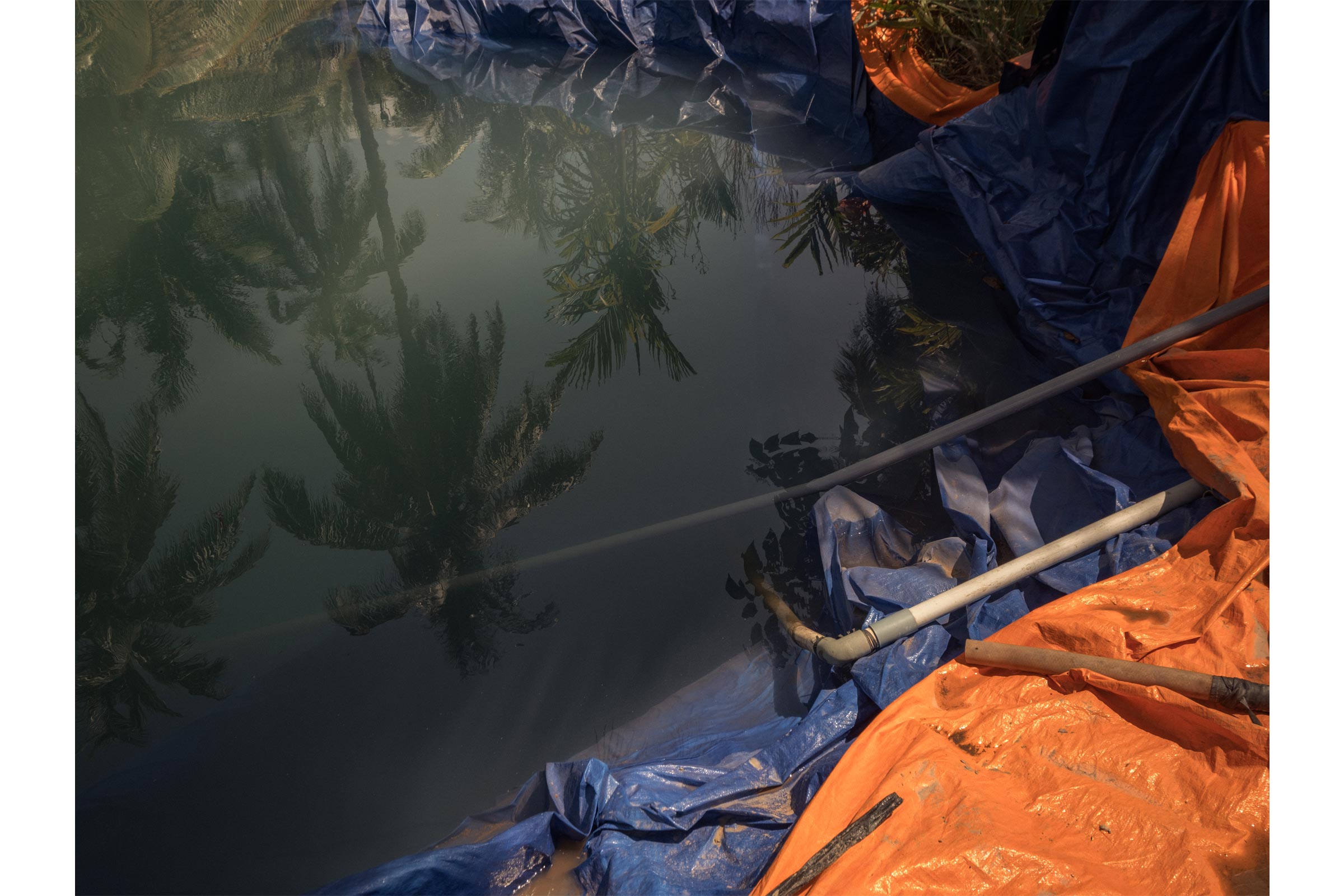
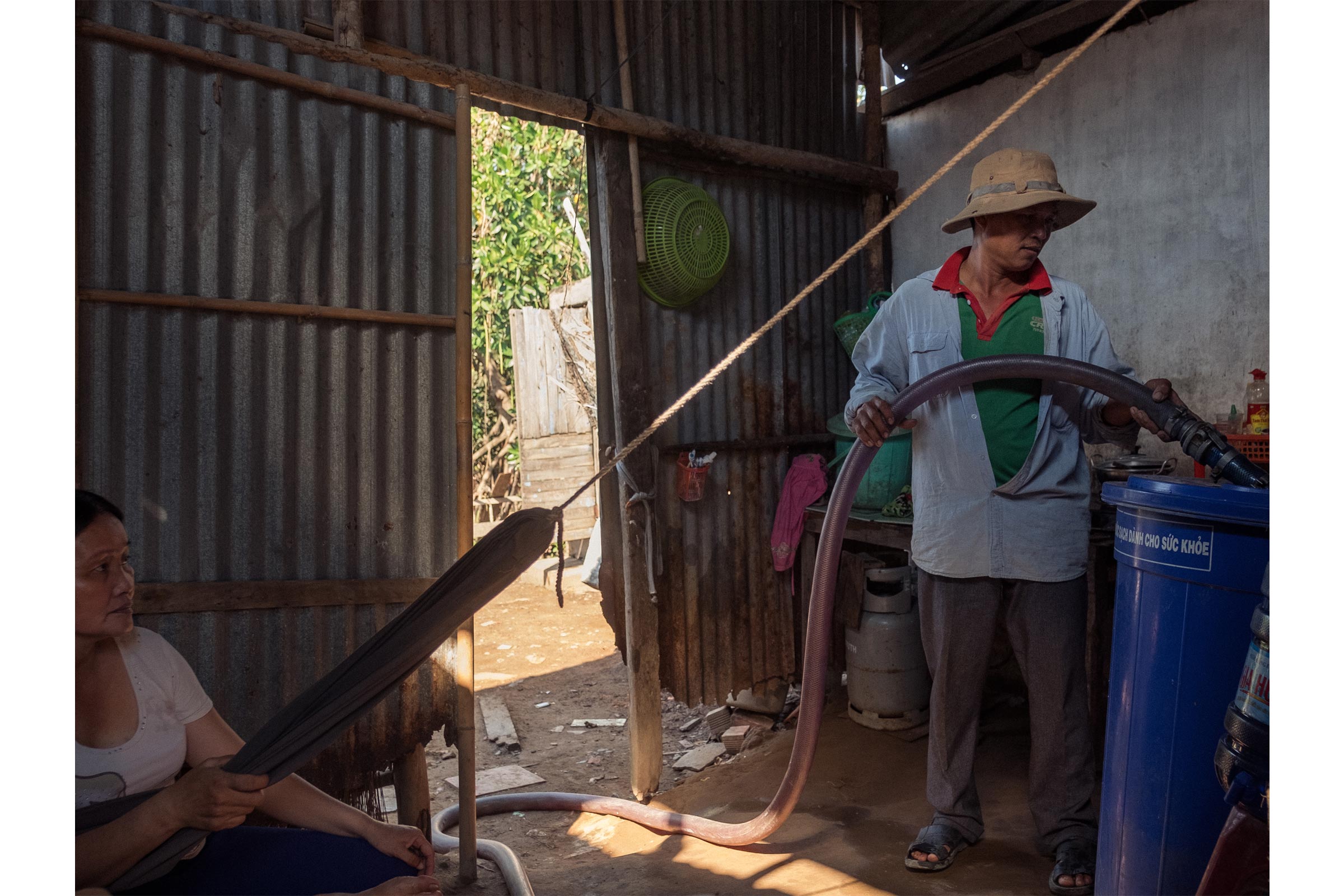
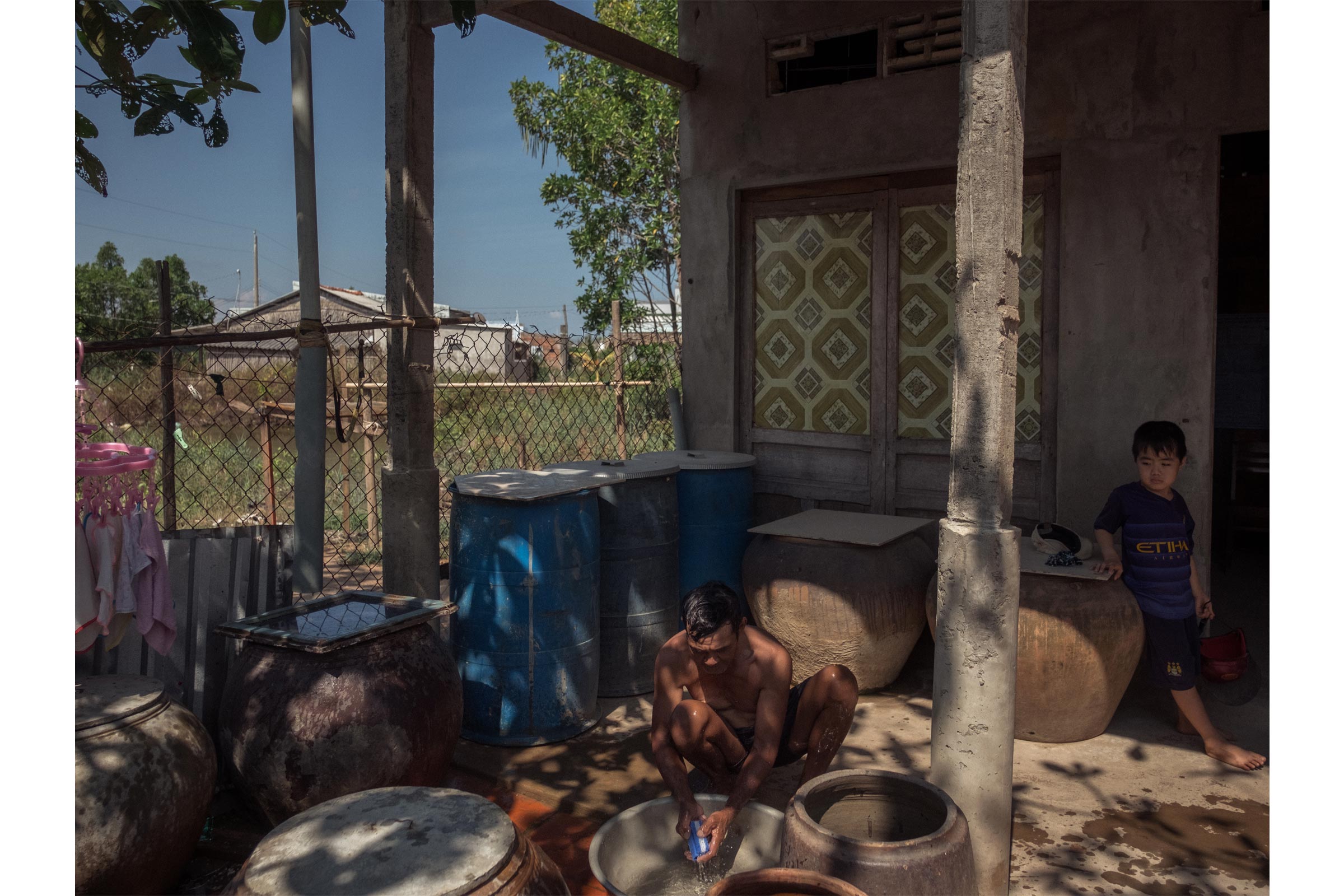
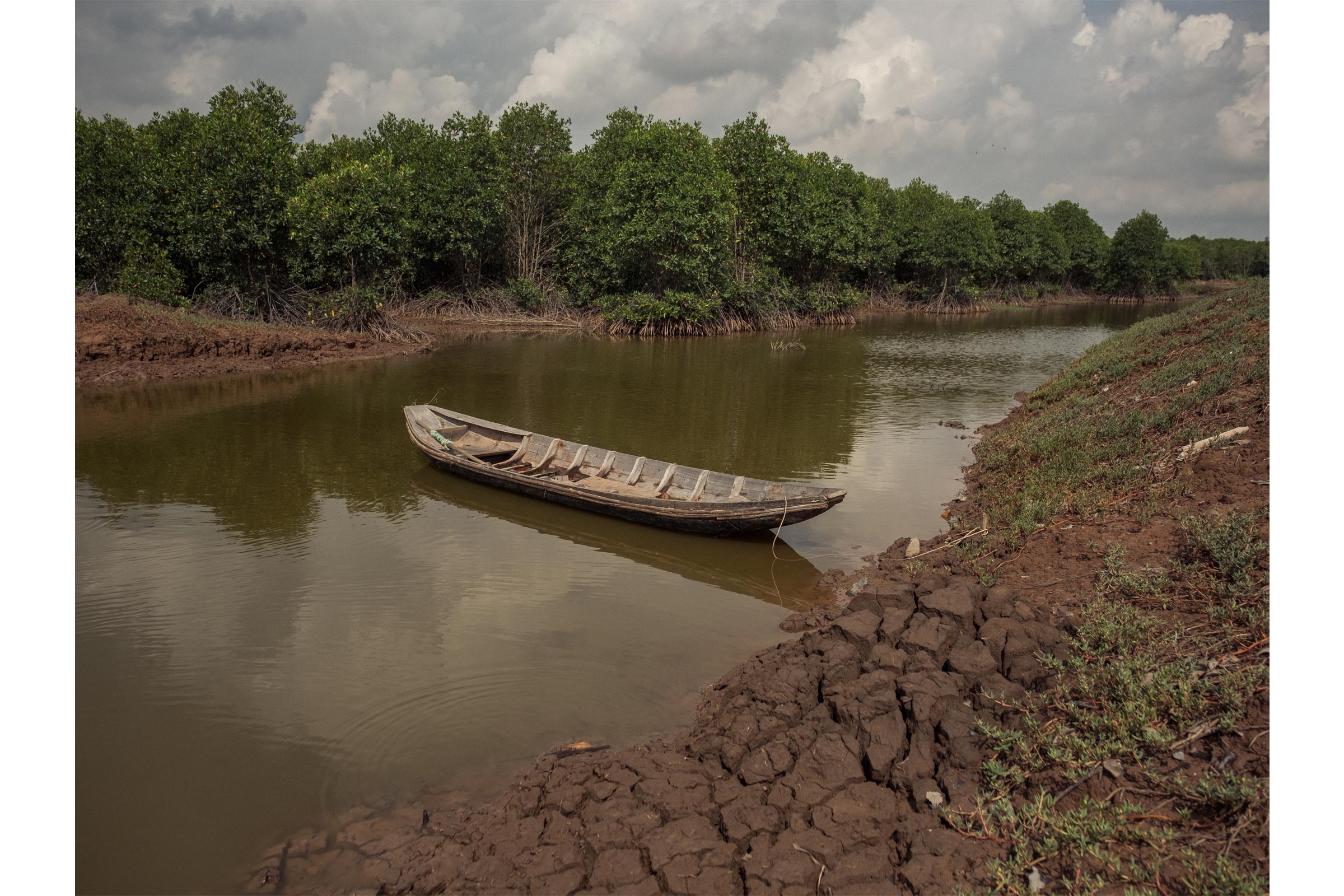
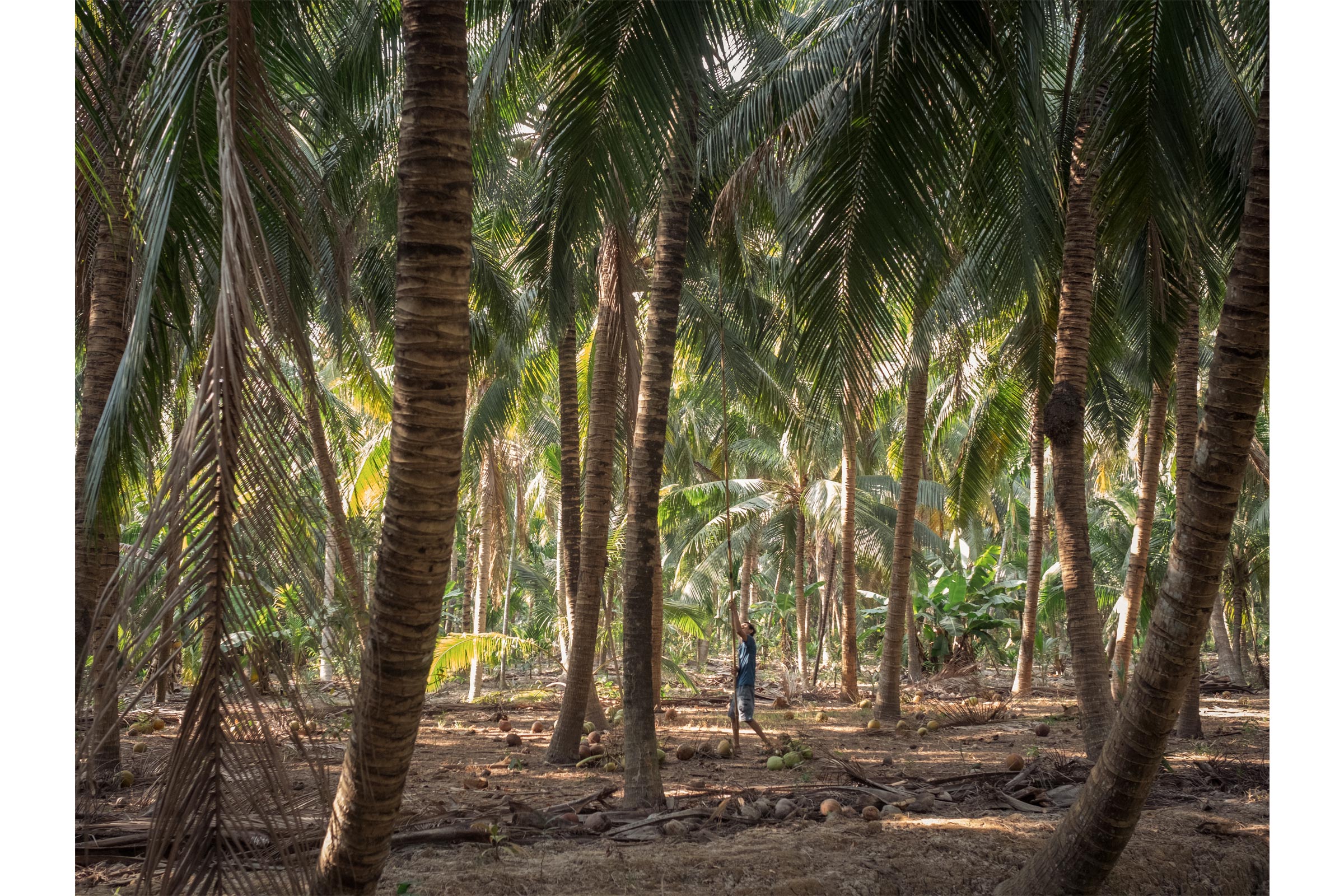
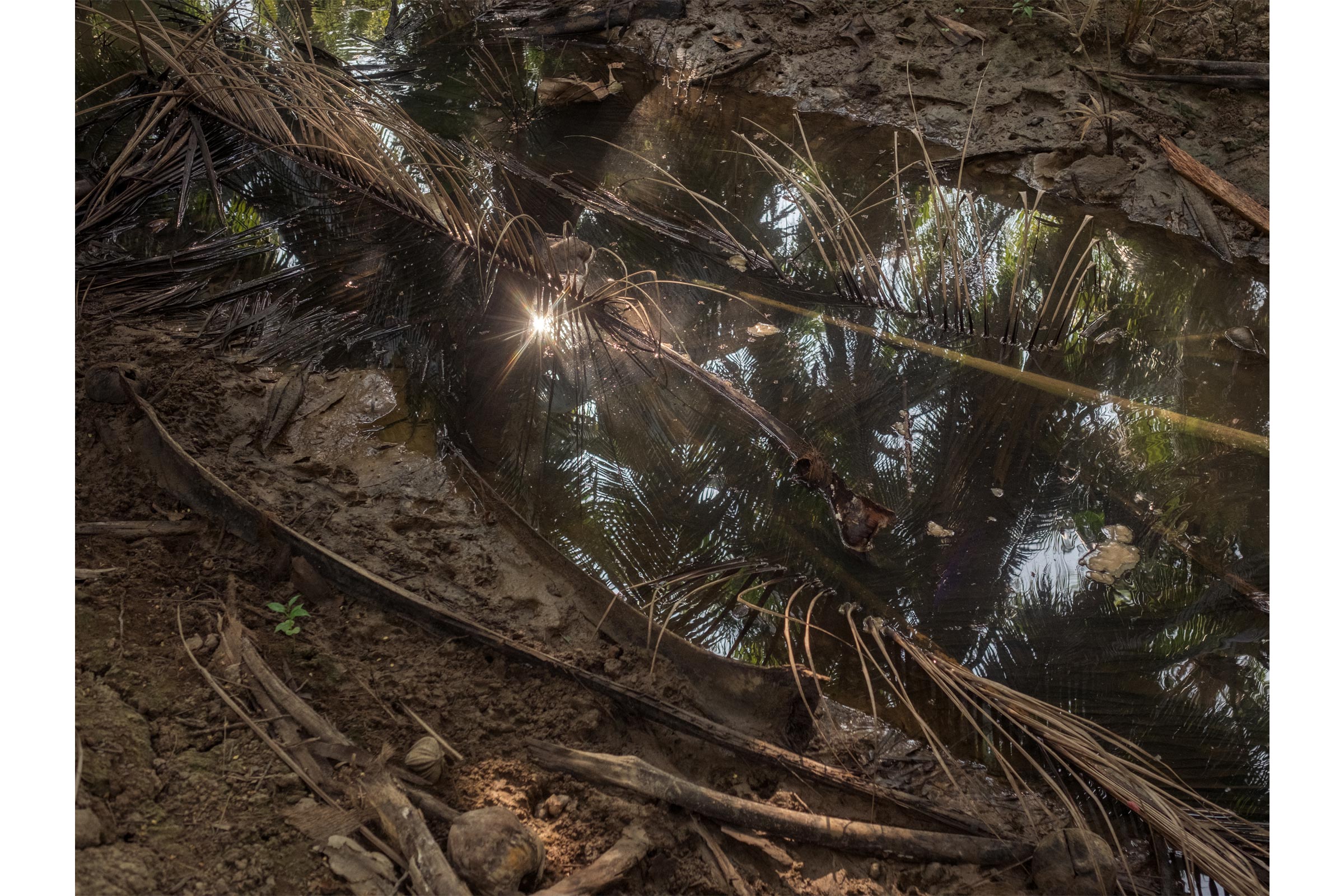
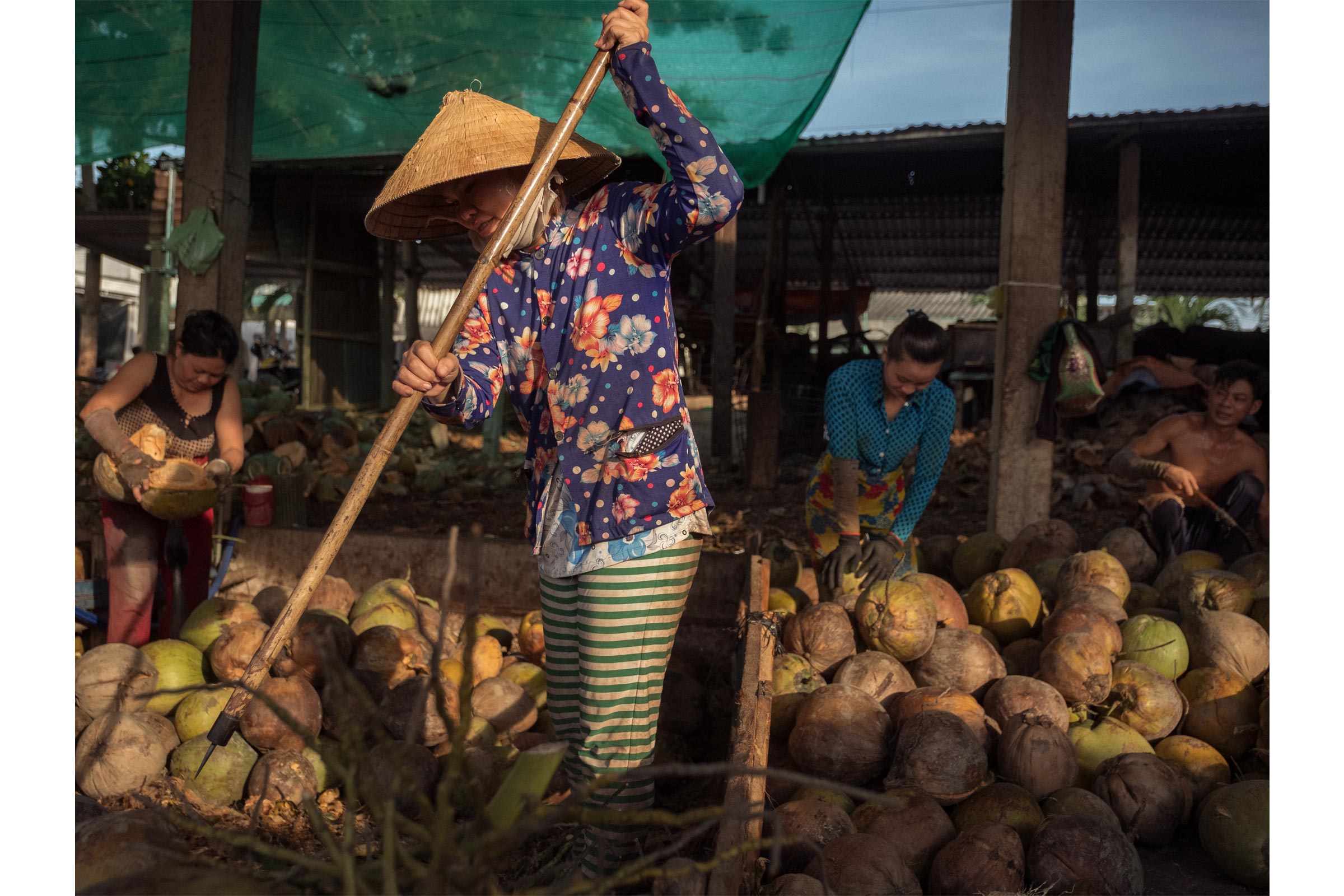
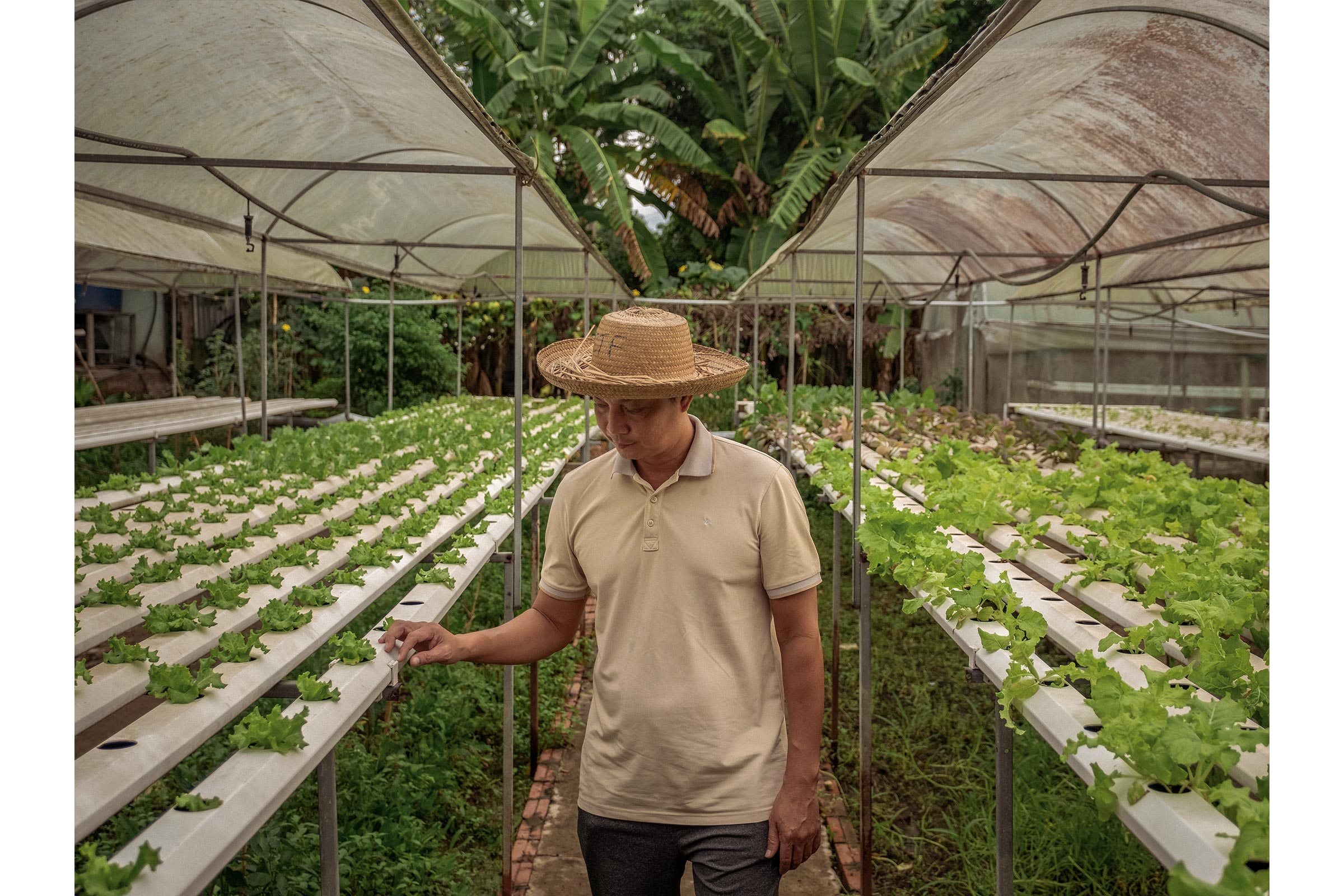
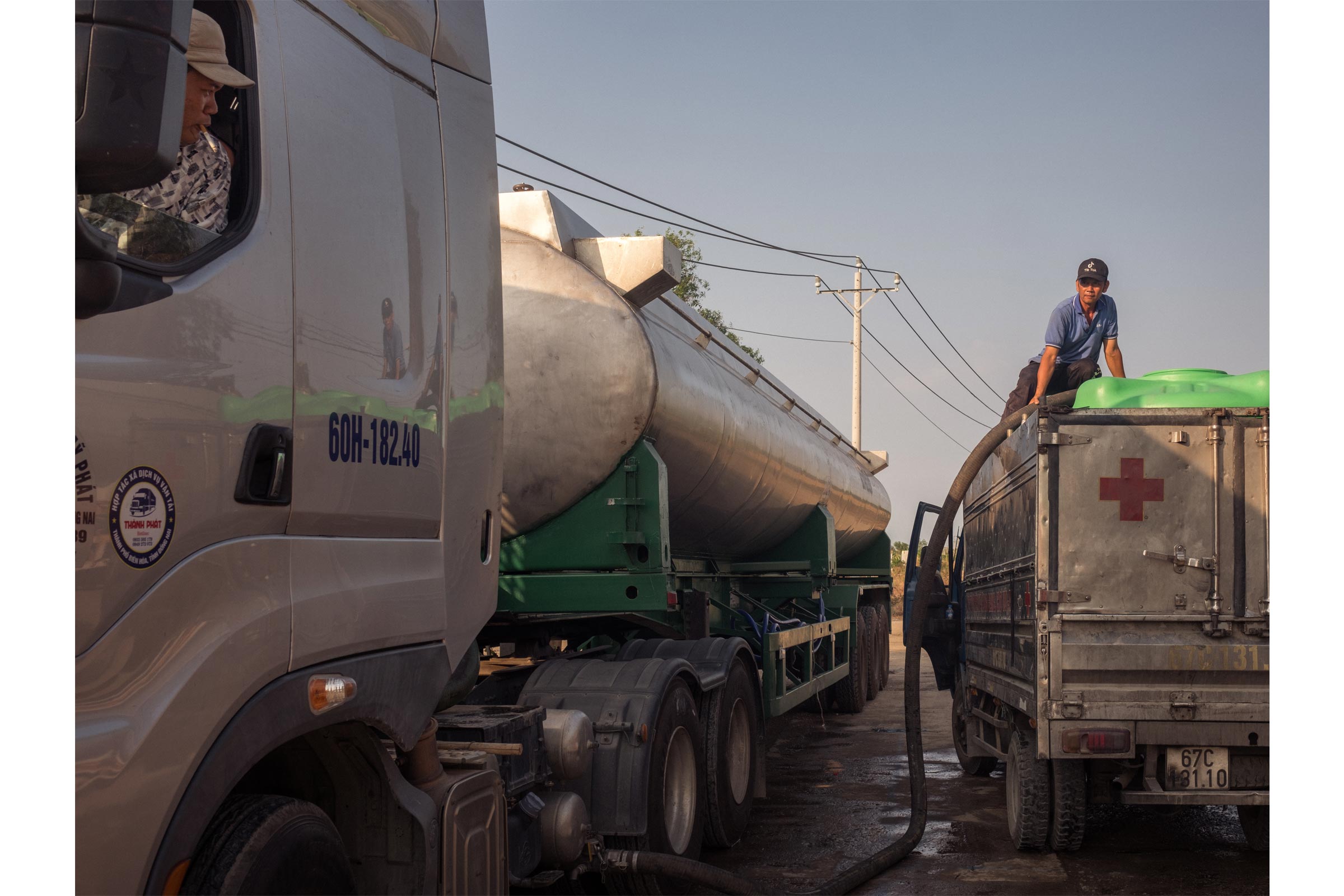
The project follows the visible and less visible effects of salinity across the Delta: damaged crops, shifting livelihoods, changing water practices, and the quiet adjustments people make as freshwater becomes less reliable.
Once understood largely as a seasonal challenge, saltwater intrusion is now arriving earlier, reaching farther inland, and becoming more difficult to predict. Its causes are complex, shaped by climate pressures, sea-level rise, upstream development, river management, and local patterns of land and water use.
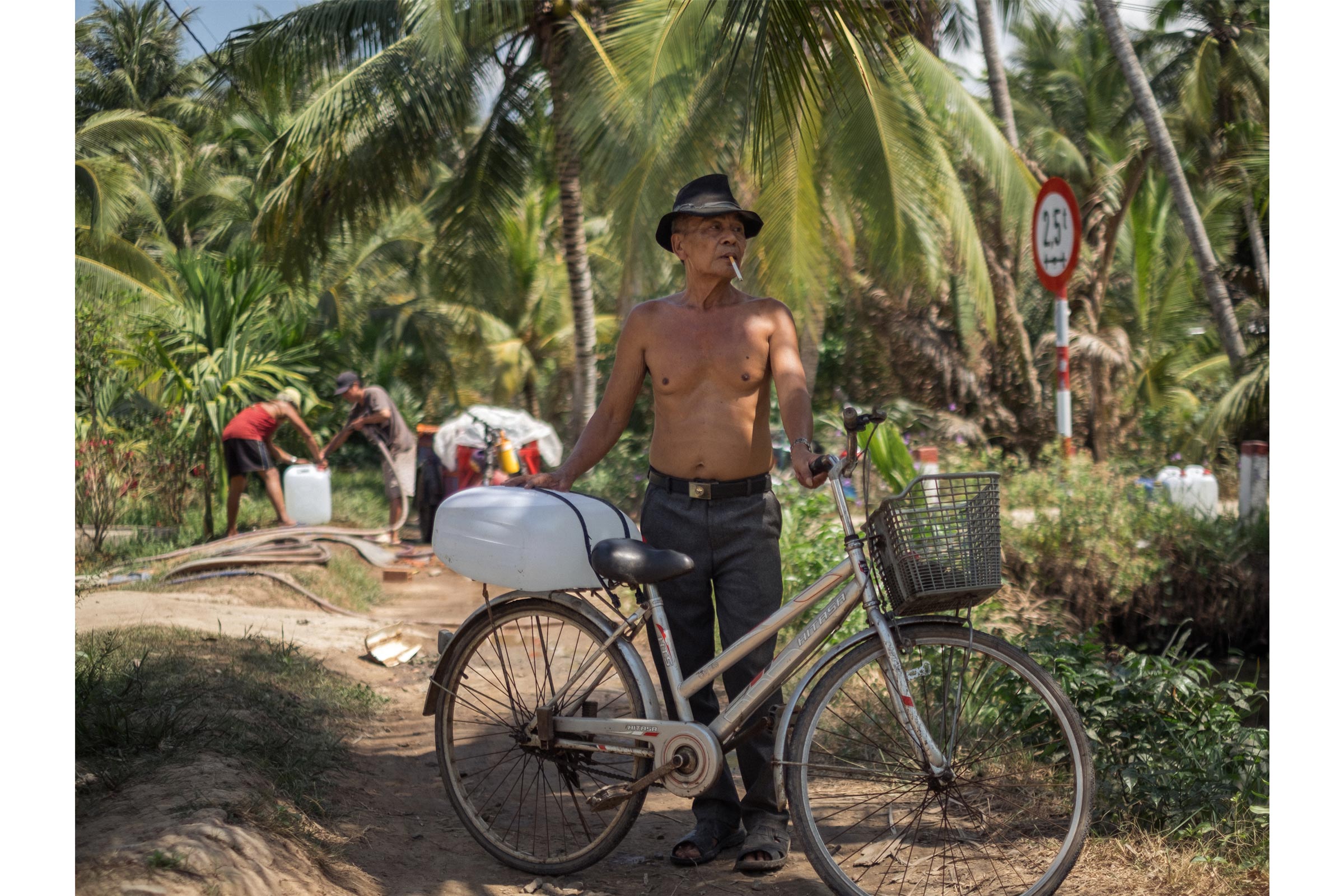
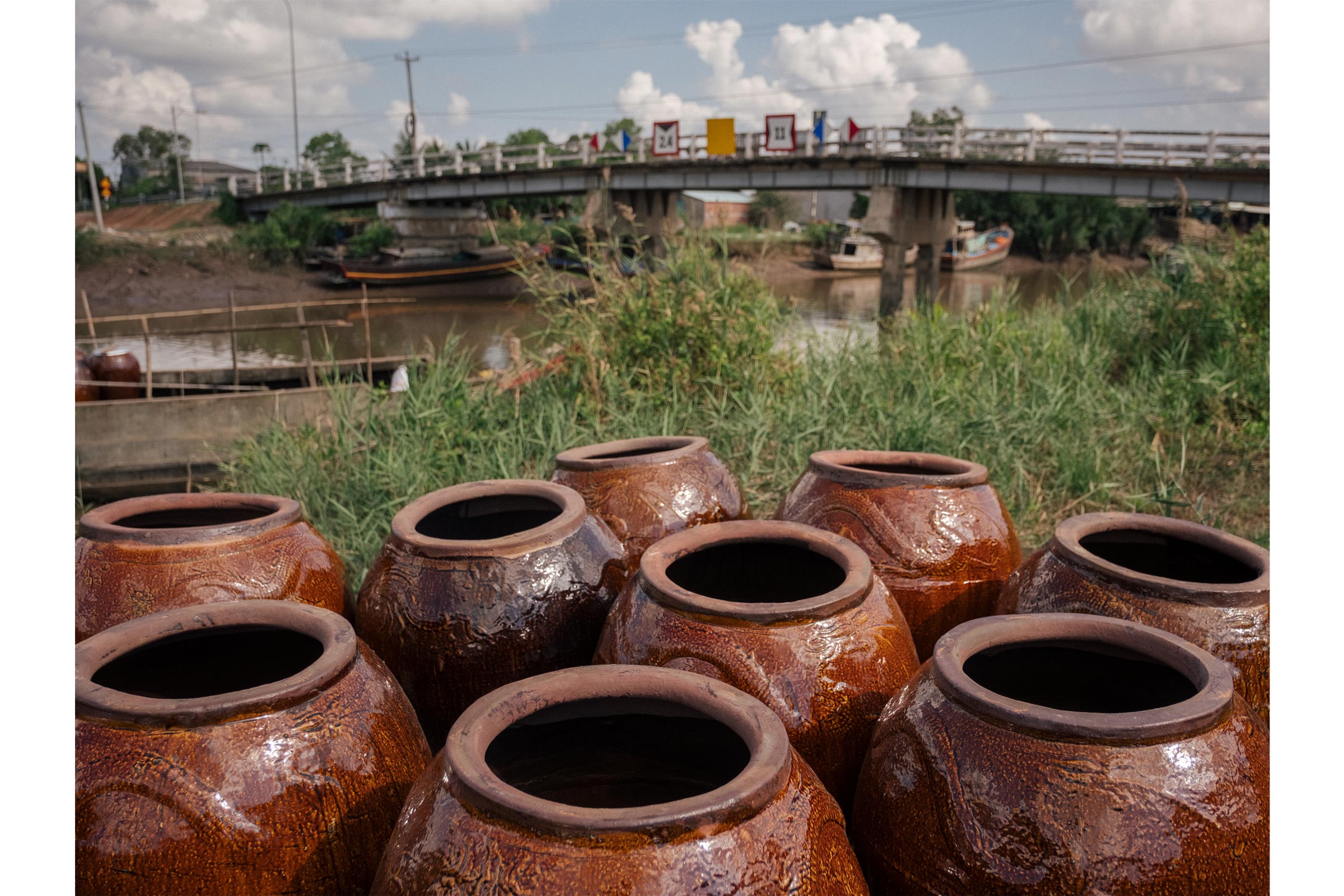
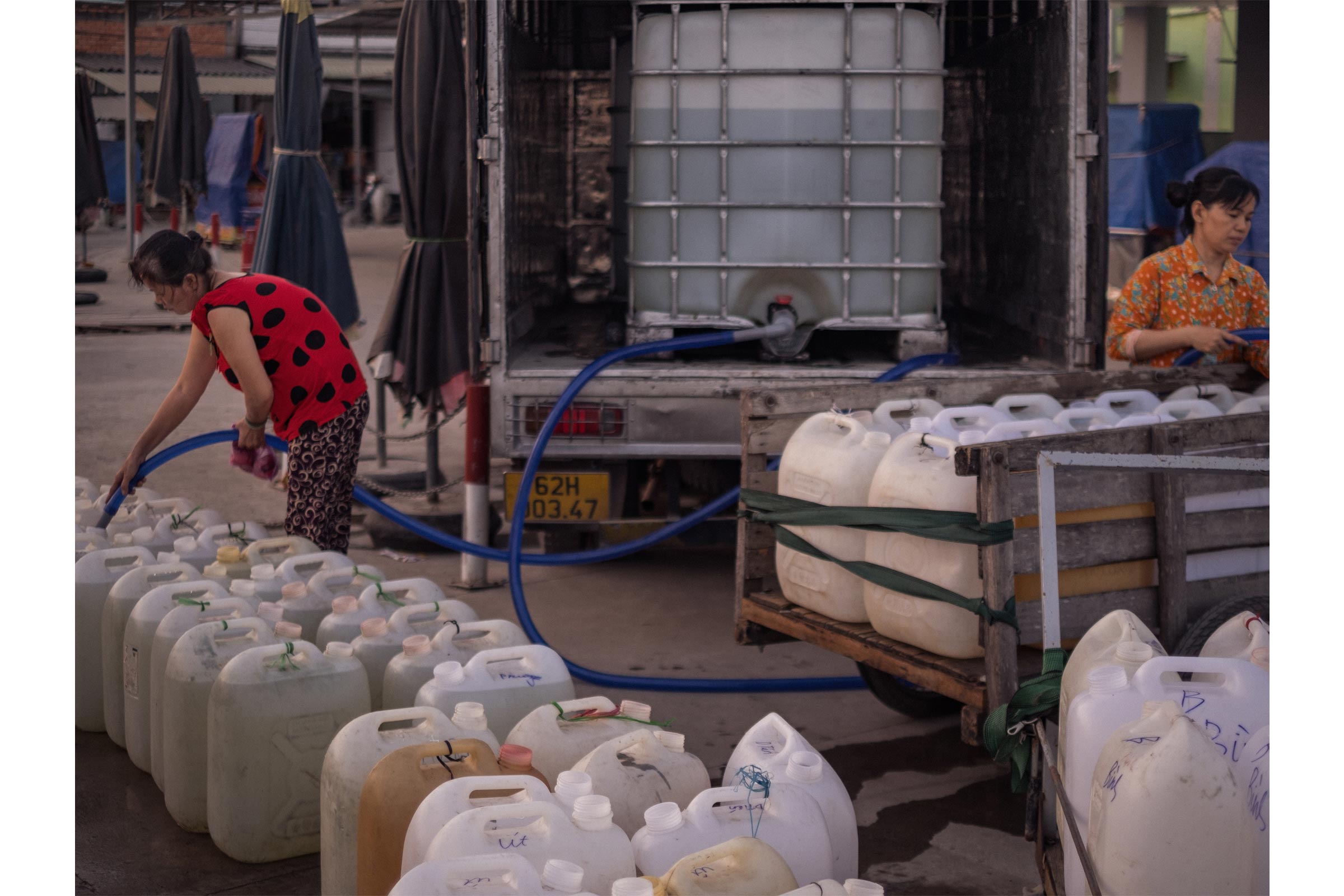
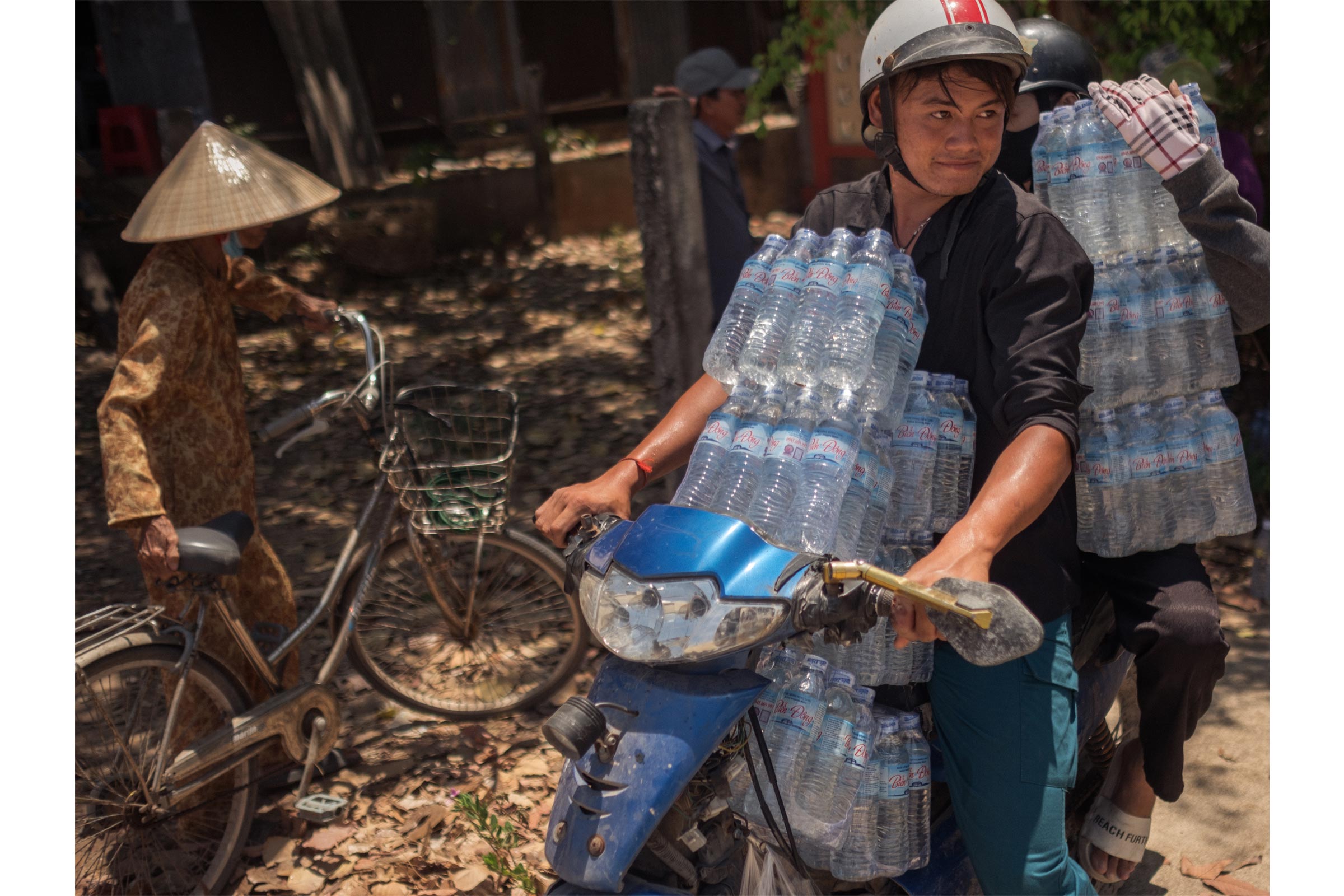
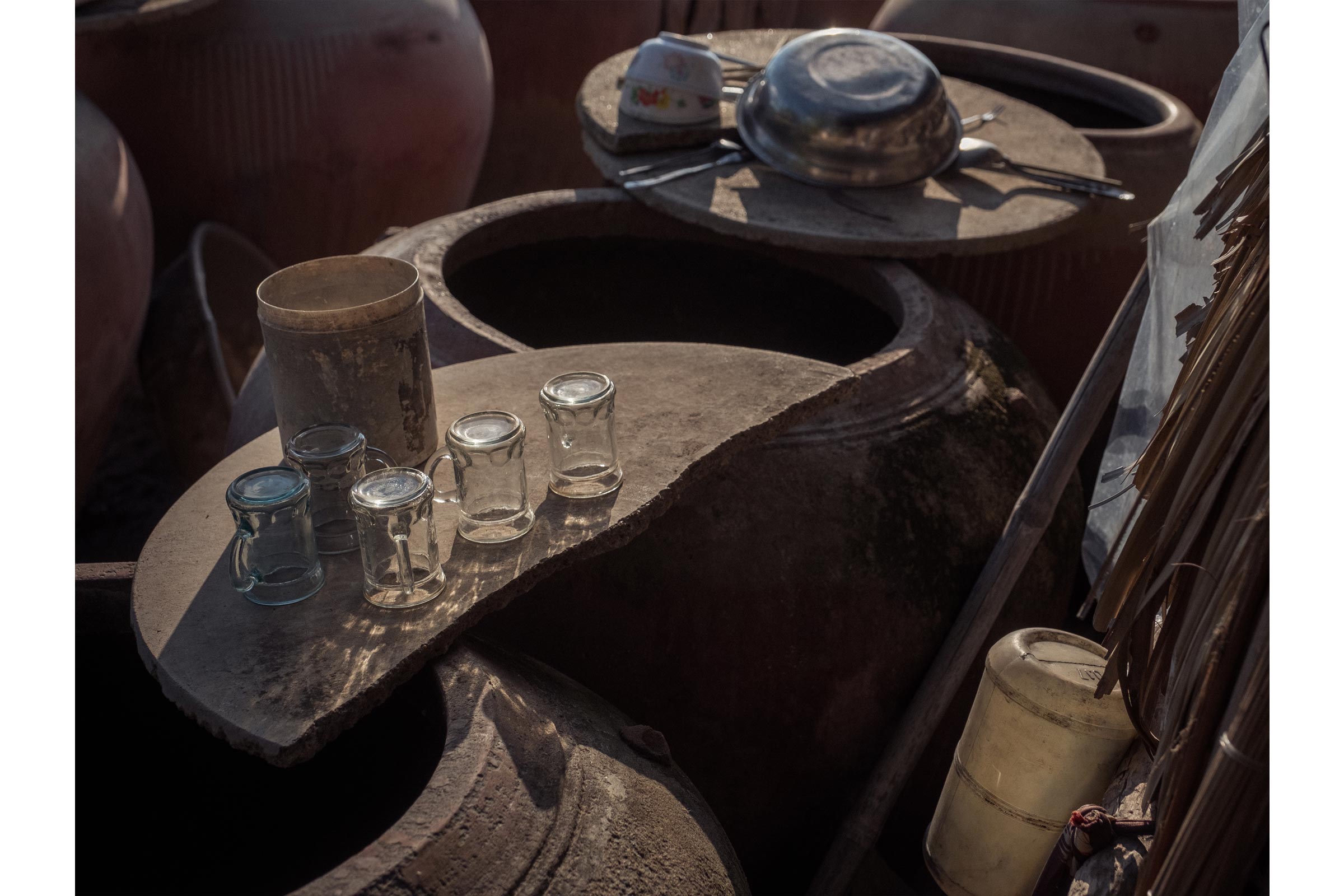
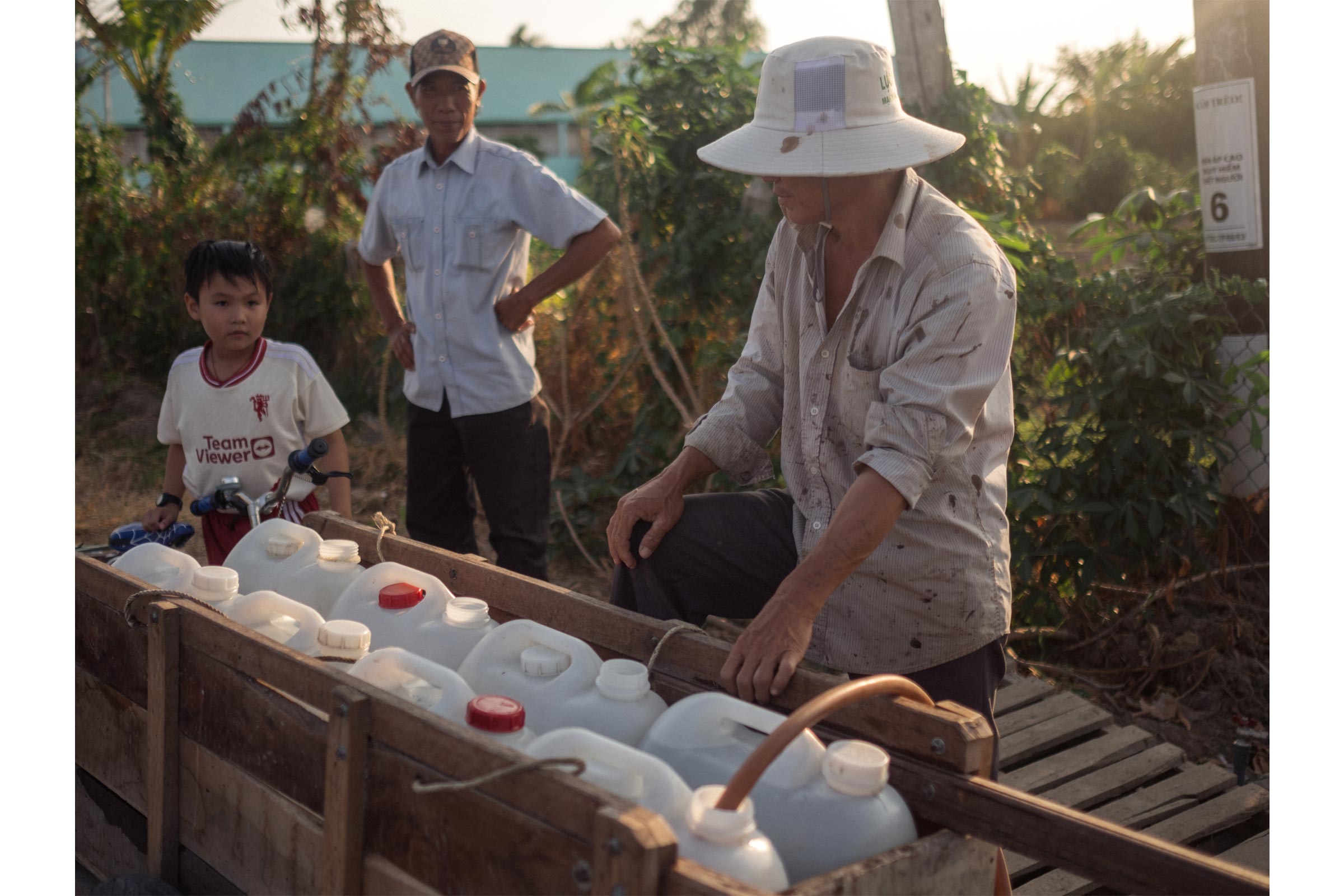
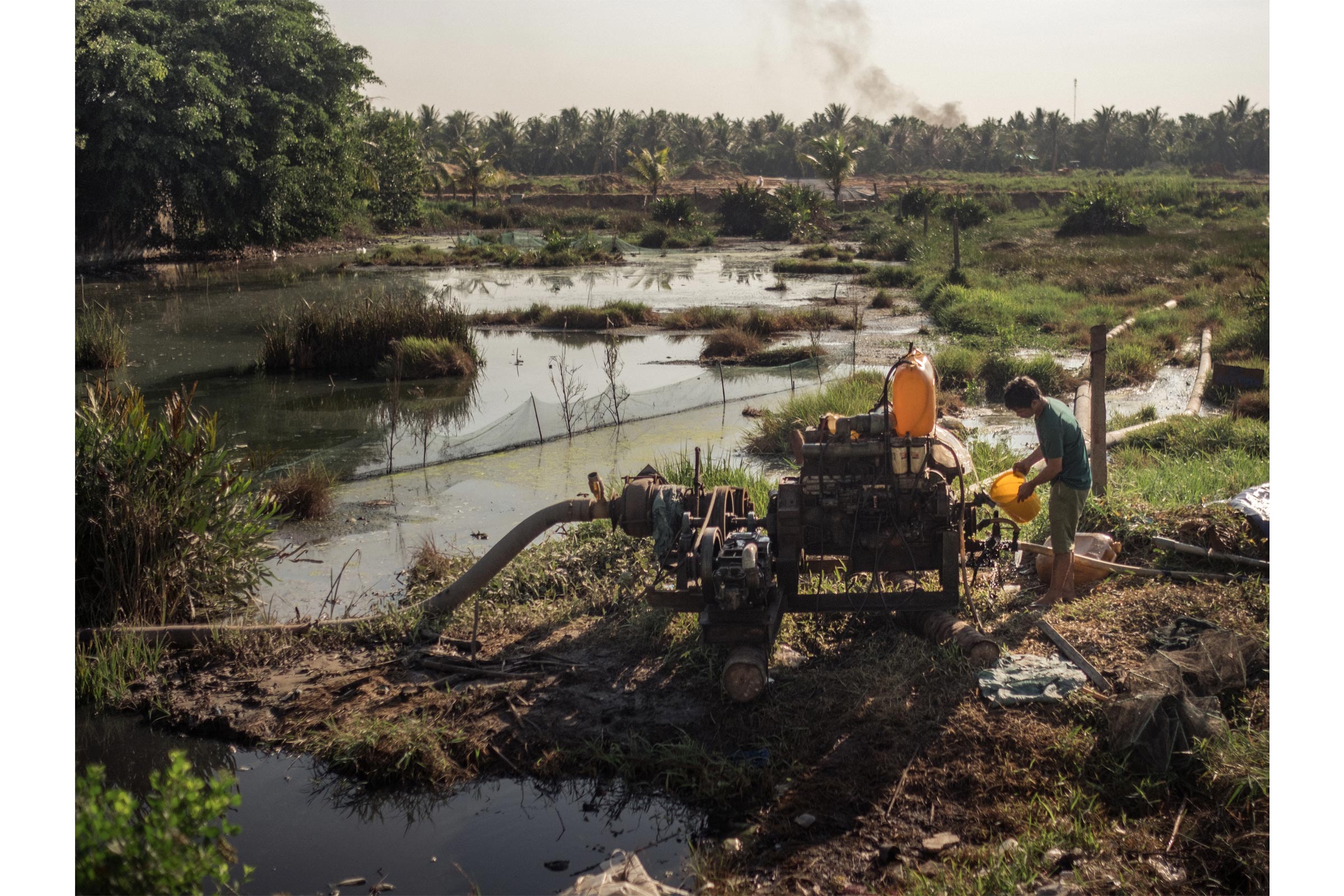
Rather than treating salinity only as an environmental crisis, the project looks at how it enters ordinary life: through the water people drink, store, test, buy, avoid, or work with. It is also an entry point into a larger question that continues to guide my work in the Delta: how do people live with water when water itself is changing?
Hot Rock, Salty Water 2017 – 2024